Home Projects: 12 Ways a Dumpster Makes DIY Cleanups Simple
Home projects create momentum, memories… and a surprising amount of mess. Renting a dumpster makes many projects faster, safer, and less stressful, especially when you have a local partner who knows residential jobs inside and out.
Why Dumpsters Make Home Projects Easier
When you plan any kind of home project, it helps to think about where all the debris, junk, and packaging will go.
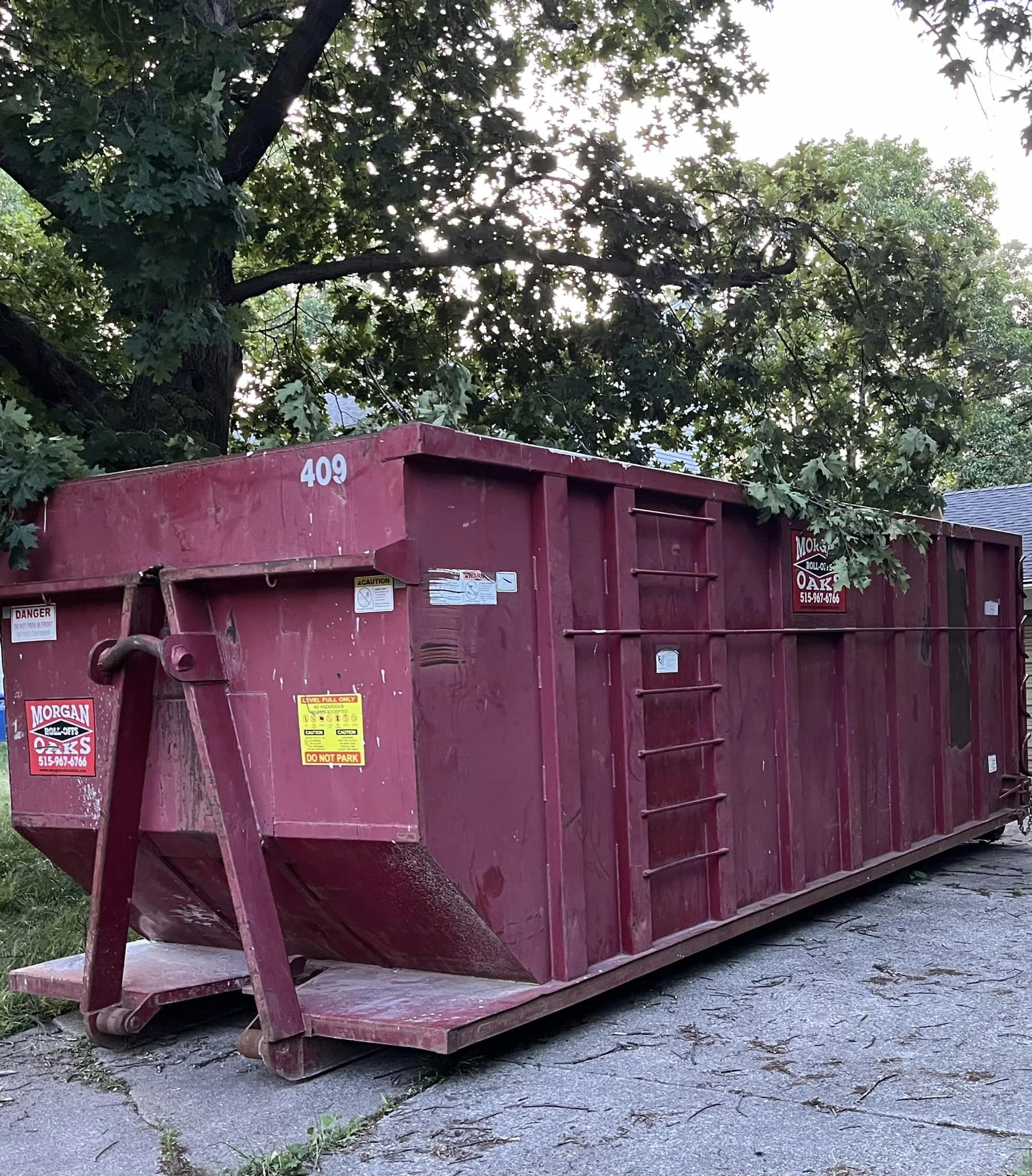
A roll-off dumpster helps you:
- Keep your workspace clear and safer by getting debris out of the way immediately.
- Save time on trips to the landfill or transfer station by consolidating everything in one container.
- Stay organized by separating “keep,” “donate,” and “toss” piles, with “toss” going straight into the dumpster.
- Control costs by choosing one container in the right size instead of multiple runs with a pickup truck.
For most home projects, a 10–20 yard dumpster is ideal, and larger projects like multi-room remodels may call for a 30–40 yard size.
1. Whole-Home Decluttering
Big decluttering pushes—before a move, after the kids leave home, or when you just want a reset—generate way more trash than weekly pickup can handle.
How a dumpster helps:
- Toss broken, stained, or unusable items without worrying about your household cart overflowing.
- Break down furniture and bulky items, load them once, and be done.
- Keep momentum by rolling right from room to room instead of stopping for dump runs.
A 20-yard container is often a sweet spot for whole-home decluttering, with enough space for furniture, boxes, and general junk.
2. Garage and Shed Cleanouts
Garages and sheds tend to collect “I’ll deal with that later” items: broken tools, old sports gear, damaged shelves, and random scraps.
Why this project is easier with a dumpster:
- You can clear everything out at once, decide what to keep, and toss the rest directly into the bin.
- Shelving, pegboards, and old cabinets can be cut and stacked efficiently in a roll-off.
- You avoid piling junk at the curb and hoping it gets collected.
Most garage cleanouts fit well in a 10–20 yard dumpster, depending on how much forgotten “stuff” is hiding in there.
3. Kitchen Remodels
Kitchen updates create heavy, awkward debris: cabinets, countertops, flooring, and appliances.
Benefits of a dumpster during a kitchen remodel:
- Remove old cabinets, countertops, backsplash tile, and subflooring as you go, keeping your work area open.
- Safely dispose of sharp, broken materials like tile, glass, and nails.
- Keep demolition on schedule by never waiting on space in your trash cans.
A 20–30 yard dumpster typically works well for a standard kitchen remodel, especially if you’re taking walls or floors down to the studs.
4. Bathroom Renovations
Even small bathrooms contain a surprising mix of materials: tile, drywall, vanities, tub surrounds, and plumbing fixtures.
Why a dumpster makes this easier:
- Toss old tile, grout, cement board, and drywall without worrying about weight and volume limits of normal trash.
- Safely contain shards and sharp edges so they’re not sitting in bags on the curb.
- Combine debris from multiple bathrooms if you’re tackling more than one at once.
Depending on the scope, a 10–20 yard container can usually handle one or two bathroom remodels.
5. Basement Finishing or Cleanout
Basements are either a blank canvas to be finished or a storage zone overflowing with boxes, holiday decor, and old furniture.
How a dumpster helps basement projects:
- During a cleanout, you can quickly get rid of damaged furniture, outdated electronics (where allowed), and broken storage.
- For finishing projects, you can toss framing scraps, drywall offcuts, insulation packaging, and flooring waste in one place.
- If you’re removing old paneling or built-ins, you’ll have space for long, awkward pieces.
A 20–30 yard dumpster is often ideal for a full basement transformation.
6. Flooring Replacement
Pulling out old carpet, padding, tack strips, baseboards, and underlayment, then installing new hardwood, LVP, or tile, generates a lot of material.
Why a dumpster makes flooring work smoother:
- Roll up old carpet and padding and stack it neatly to maximize your dumpster space.
- Toss broken tile, cutoffs, and grout buckets without worrying about tearing trash bags.
- Keep hallways and rooms clear of trip hazards during installation.
For whole-house flooring, a 20–30 yard container is usually appropriate; smaller rooms may get by with 10–15 yards.
7. Roofing and Gutter Projects
Replacing shingles or repairing sections of your roof can generate hundreds or thousands of pounds of shingles and underlayment.
How a dumpster helps roofing jobs:
- Catch shingles and roofing debris directly in the dumpster if it’s placed strategically near the house.
- Avoid overloading your regular trash with heavy, dense materials that can cause damage or extra fees.
- Keep nails and sharp scraps contained for a safer yard and driveway.
Roofing projects often use 10–20 yard dumpsters, which can handle heavy materials within weight limits.
8. Landscaping and Yard Overhauls
Big yard projects—removing shrubs, trimming trees, redoing garden beds, or taking out an old deck—produce piles of organic and structural waste.
Why a dumpster is a smart move:
- Consolidate branches, brush, sod, and small stumps instead of making multiple trailer or truck trips.
- Remove old edging, rotted fencing, or deck boards along with yard waste.
- Finish the project sooner by staying on-site and working instead of driving back and forth.
Yard projects often fit well in a 10–15 yard dumpster, but adding deck or fence removal may call for 20 yards or more.
9. Moving, Downsizing, and Estate Cleanouts
Whether you’re moving, combining households, or handling an estate, you’ll likely uncover items that aren’t worth moving, selling, or donating.
How a dumpster makes this emotional project easier:
- Gives you a clear “home” for items that are broken, damaged, or not donation-ready.
- Lets you empty attics, crawl spaces, and storage rooms in fewer passes.
- Keeps large volumes of trash off the curb during a time that’s already stressful.
Many families prefer a 20–30 yard dumpster for major estate or downsizing projects, especially in larger homes.
10. Disaster, Flood, or Storm Cleanup
After a flood, pipe burst, or severe storm, homeowners often need to remove damaged materials quickly to prevent mold and further damage.
Why a dumpster is essential here:
- Provides immediate capacity for soaked drywall, insulation, flooring, and ruined furniture.
- Helps you move fast so contractors and restoration teams can get started.
- Keeps hazardous, contaminated materials contained until they can be hauled away.
In these situations, a 20–40 yard dumpster may be appropriate depending on how much of the home was affected.
11. Seasonal Cleaning and Holiday Prep
Spring cleaning and holiday prep often involve clearing out decor, old toys, worn-out outdoor furniture, and random clutter.
A dumpster can:
- Turn a casual cleanup into a focused “reset” weekend with a clear finish line.
- Encourage everyone in the household to let go of things that are clearly at the end of their life.
- Make space in guest rooms, closets, and storage areas before visitors arrive.
Smaller seasonal projects can often use a 10-yard container, especially if you’re also decluttering the garage or shed.
12. DIY Builds, Additions, and Outdoor Living Space
Building a deck, adding a shed, framing a room, or creating an outdoor kitchen produces offcuts, bent nails, packaging, and demo debris from anything you’re replacing.
Why a dumpster is a smart partner:
- Keeps lumber scraps, concrete chunks, and packaging out of your yard.
- Helps you maintain a safer jobsite when friends or family are helping with the work.
- Helps you wrap up the project neatly, with all debris gone at pickup.
Decks, additions, and outdoor builds may need a 20–30 yard dumpster, depending on the scale and materials used.
Choosing the Right Dumpster Size for Home Projects
Picking the right size keeps your project affordable and efficient.
| Dumpster size | Typical capacity (pickup loads) | Good for these home projects |
|---|---|---|
| 10-yard | About 3–4 loads | Small bathroom remodels, partial flooring, seasonal cleaning, light garage cleanouts |
| 20-yard | About 6 loads | Whole-home declutters, medium kitchen remodels, basement cleanouts, yard overhauls |
| 30-yard | About 9 loads | Big renovations, multi-room projects, estate cleanouts |
| 40-yard | About 12 loads | Major construction, large-scale disaster cleanup, whole-house gut jobs |
When you book, you’ll typically discuss:
- Type of debris (household junk, construction materials, yard waste, etc.).
- Project size and number of rooms or areas involved.
- Space available in your driveway or on your property for placement.
Local haulers in the Des Moines area can help you choose the best size once they know your project details.
Tips to Get the Most Out of Your Dumpster
A little planning can stretch your dumpster space and keep everything compliant.
- Load heavy items first: Place heavy materials (like drywall, shingles, or concrete) at the bottom and spread them evenly.
- Break things down: Disassemble furniture, cut long boards, and flatten boxes to reduce air pockets.
- Stay level with the fill line: Overfilling can cause safety issues and extra fees, and haulers may not be able to pick it up.
- Know what’s prohibited: Most services restrict items like paint, chemicals, tires, and certain electronics; always ask before tossing.
- Schedule smart: Time delivery to line up with demolition or cleanout so you’re not paying for idle days.
These habits keep your home projects running smoothly from the first swing of the hammer to the final sweep.
Why Choose Morgan Oaks Roll-Offs for Your Home Projects
If you’re planning home projects in the Des Moines metro area, Morgan Oaks Roll-Offs is built to support homeowners as well as contractors.
Here’s what sets this team apart for residential dumpster rental:
- Local, family-owned service: Morgan Oaks is a family-owned business serving Des Moines and surrounding communities, so you’re working with neighbors who know local homes, neighborhoods, and regulations.
- Residential-friendly sizes: They offer 10, 20, 30, and 40-cubic yard roll-off dumpsters, so you can match the container to your exact home project—from a small bathroom to a whole-house renovation.
- Fast delivery and pickup: The company emphasizes quick, efficient delivery and pickup to keep your timeline on track and your driveway clear when you’re finished.
- Flexible projects, big or small: Services cover home cleanouts, remodeling scrap, landscaping and yard work, roofing disposal, flood damage, moving cleanouts, garage clutter, estate cleanup, basement cleanouts, and more.
- Wide service area: They serve homeowners across the Des Moines metro and many surrounding communities, including West Des Moines, Urbandale, Waukee, Indianola, and more.
When you contact Morgan Oaks Roll-Offs, you can discuss your specific home projects, get help choosing the right dumpster size, and schedule delivery at a time that fits your plan. With a trusted local partner handling the debris, you’re free to focus on the fun part: transforming your space.
FAQs About Dumpster Rentals for Home Projects
What home projects benefit most from renting a dumpster?
Many home projects are easier with a dumpster, including whole-home decluttering, garage and basement cleanouts, kitchen and bathroom remodels, roofing work, yard and landscaping overhauls, moving or estate cleanouts, and post-flood or storm cleanup. Framing, flooring, and outdoor living projects also run more smoothly when you can toss debris directly into a roll-off container instead of relying on weekly trash pickup.
How do I choose the right dumpster size for my home project?
Match your dumpster size to the scope of your home project and the types of materials you’ll toss. A 10-yard dumpster is ideal for small bathroom remodels, light cleanouts, and seasonal decluttering, while a 20-yard works well for kitchen renovations, basement cleanouts, and larger decluttering jobs. For multi-room remodels, estate cleanouts, or major renovations, consider a 30- or 40-yard container to avoid running out of space mid-project.
What can I put in a residential dumpster during home projects?
Most residential dumpsters can handle typical home project debris like household junk, furniture, drywall, wood, flooring, roofing shingles, yard waste, and non-hazardous construction materials. Items generally not allowed include paint, chemicals, oils, fuels, asbestos, certain electronics, and tires, so always confirm your specific list of approved and prohibited materials before loading your dumpster.
How long can I keep a dumpster for my home project?
Most dumpster rental companies offer a standard rental period that’s long enough to cover typical home projects, such as a long weekend for a cleanout or a week for a remodel. If your project runs longer than expected, you can usually extend the rental or schedule additional service, so it’s helpful to discuss your timeline and flexibility when you book your dumpster.
Where should a dumpster be placed for home projects?
For most home projects, the best place for a dumpster is a flat, accessible area like your driveway where the truck can safely drop off and pick up the container. If driveway space is limited, you may be able to use a side yard or street placement, but that can require permission or permits, so always check local rules and discuss placement options with your rental provider in advance.
Why should I use Morgan Oaks Roll-Offs for my home projects?
Morgan Oaks Roll-Offs is a local, family-owned dumpster rental company serving the Des Moines area, with roll-off sizes that fit common home projects from small cleanouts to whole-house renovations. Homeowners appreciate their fast delivery and pickup, straightforward pricing, and friendly support in choosing the right dumpster size for decluttering, remodeling, roofing, landscaping, and other residential projects.